Bite Seeing travel guide
Tokyo Food Guide: What to Eat and Where to Explore
Explore Tokyo food culture, ramen, sushi, tempura, local neighborhoods and food experiences.
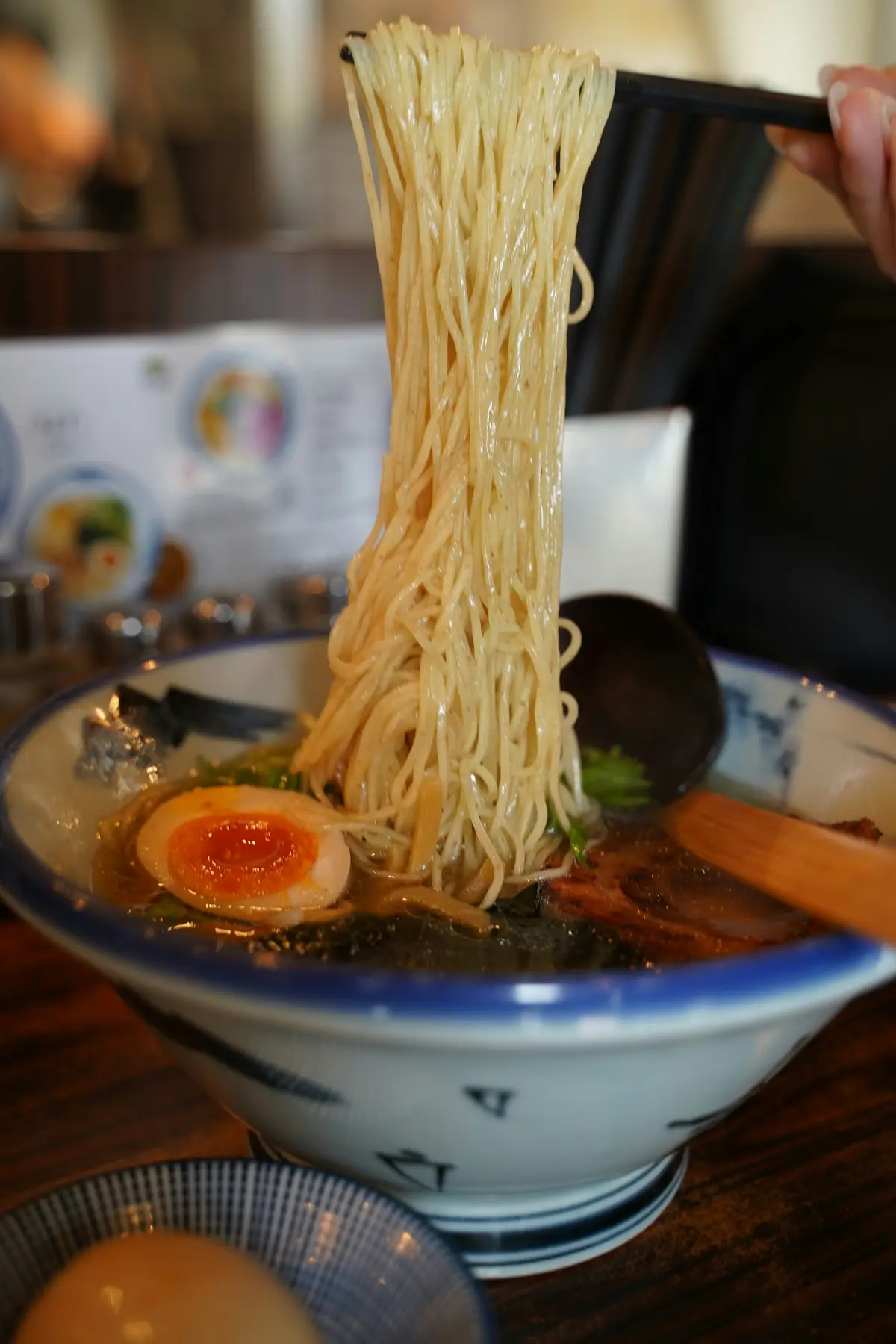
Tokyo is more rewarding when you travel for local flavors rather than rush between restaurants. The cuisine is bigger than any single signature dish; a good food day includes everyday places and enough walking time to get to know a neighborhood.
What to eat in Tokyo
Ramen
Look for ramen in a setting where locals and visitors both eat. Ask about preparation, ingredients and seasonal variations rather than assuming every version is identical.
Sushi
A useful second taste is sushi. Compare a casual setting with a more traditional meal to understand how the dish fits into local routines.
Tempura
Try tempura when it fits naturally into the day. A market stall, café or specialist kitchen may offer a different experience from a formal restaurant.
Yakitori
Make time for yakitori without making it another rushed box to check. Menus and availability can vary by neighborhood and season.
Onigiri
If you have an extra meal, consider onigiri. Check the local preparation and ingredients, especially if you have dietary requirements.
Best areas for a food walk
Shinjuku
A practical first neighborhood for a focused food walk in Tokyo. Choose a few stops rather than trying to visit every famous place.
Ginza
Worth exploring for a different pace and a chance to eat beyond the most obvious visitor streets.
Asakusa
A useful alternative when you want a different slice of the city's food culture. Check current market or venue opening information before setting out.
One day of food-first sightseeing
Choose one neighborhood for a ramen or sushi lunch, explore a depachika department-store food hall, then plan an izakaya dinner. Leave an hour or two between substantial meals, with space for parks, streets and shops.
Is a guided food experience worthwhile?
A Neighborhood food walk or Japanese cooking class may help introduce unfamiliar ingredients or ordering customs. Before booking, confirm the neighborhood, included food, walking distance, group size, accessibility, allergy policies and cancellation conditions. Our food tours guide makes it easier to compare formats. For any specific experience, confirm availability directly with the operator.
Practical eating tips
Tipping is not customary in Japan. Follow posted ordering, queueing and photography instructions. Venue opening days, seasonal menus and prices are subject to change; confirm important details directly with providers.
Why Tokyo works as several separate food trips
Tokyo is enormous, and many enjoyable meals come from specialist kitchens. Rather than chasing one restaurant from Asakusa to Shinjuku and back, choose a neighborhood and a food type for each part of the day. A casual ramen lunch, a food-hall browse and an evening izakaya can show three different dining formats without a complicated itinerary.
Ramen is not one standardized bowl. Broths, noodles, seasonings and toppings vary by shop and regional influence. Some restaurants sell tickets through a machine before seating; others take orders at the counter. Follow the posted process, and do not assume a long line means a restaurant is suitable for a tight schedule.
Sushi ranges from everyday shops to formal chef-led counter meals. You do not need an expensive tasting menu to enjoy it. If you do book a formal counter, check the cancellation terms, number of courses and whether the chef can accommodate allergies beforehand.
Izakaya, yakitori and other everyday formats
An izakaya is a casual eating-and-drinking setting rather than a specific dish. Diners may order several small plates over the evening. Some venues charge an otoshi seating appetizer, which visitors sometimes mistake for a free dish. Yakitori usually refers to grilled chicken skewers, often featuring different cuts. Ask if you are unsure what a skewer contains.
Tempura can be a main specialist meal rather than merely a side dish. Onigiri make a simple portable snack, while traditional wagashi sweets can express seasonal motifs and ingredients. You can sample different formats across a trip without trying to fit them all into one afternoon.
Tokyo neighborhoods for different moods
Asakusa is useful for traditional streets and snacks, though crowds are common. Ginza has major shopping areas and department stores with depachika basement food halls, where food is often displayed in remarkable variety. Shinjuku offers an enormous range of restaurants, but its station area and multiple exits require extra navigation time.
Buy snacks in a food hall when it fits your itinerary, but ask where they may be eaten and respect rules about waste disposal. Food halls are shops, not always sit-down dining spaces.
Ordering, manners and dietary planning
Tipping is not customary in Japan. Avoid assuming staff will speak English, although menus, pictures and translation tools can help. At some ramen counters, lingering for a long conversation after finishing may be out of place if other diners are waiting. Be considerate of queues and posted photo restrictions.
Food allergies require care: broth, sauces and garnishes may contain ingredients not obvious in an English dish description. If your needs are serious, discuss them with the restaurant or tour company before arrival.
For national travel and food guidance, see the Japan National Tourism Organization.
Do you need expensive restaurant reservations in Tokyo?
No. Tokyo's dining appeal includes affordable specialist kitchens and casual food counters, many of which can be enjoyed without months of planning. Reserve only the experiences where availability and experience format really matter, and keep ordinary lunches flexible.
Keep exploring
Compare other cities in our worldwide food destination guide. For flight arrival days, accommodation neighborhoods and meal timing, use the food-first trip planner.
Keep planning
Build the rest of your Bite Seeing trip
Use the core planning guides to connect where you stay, what you do and the day trips that are worth the travel time.