Bite Seeing travel guide
Rome Food Guide: What to Eat and Where to Explore
Explore Rome food culture, carbonara, cacio e pepe, supplì, local neighborhoods and food experiences.
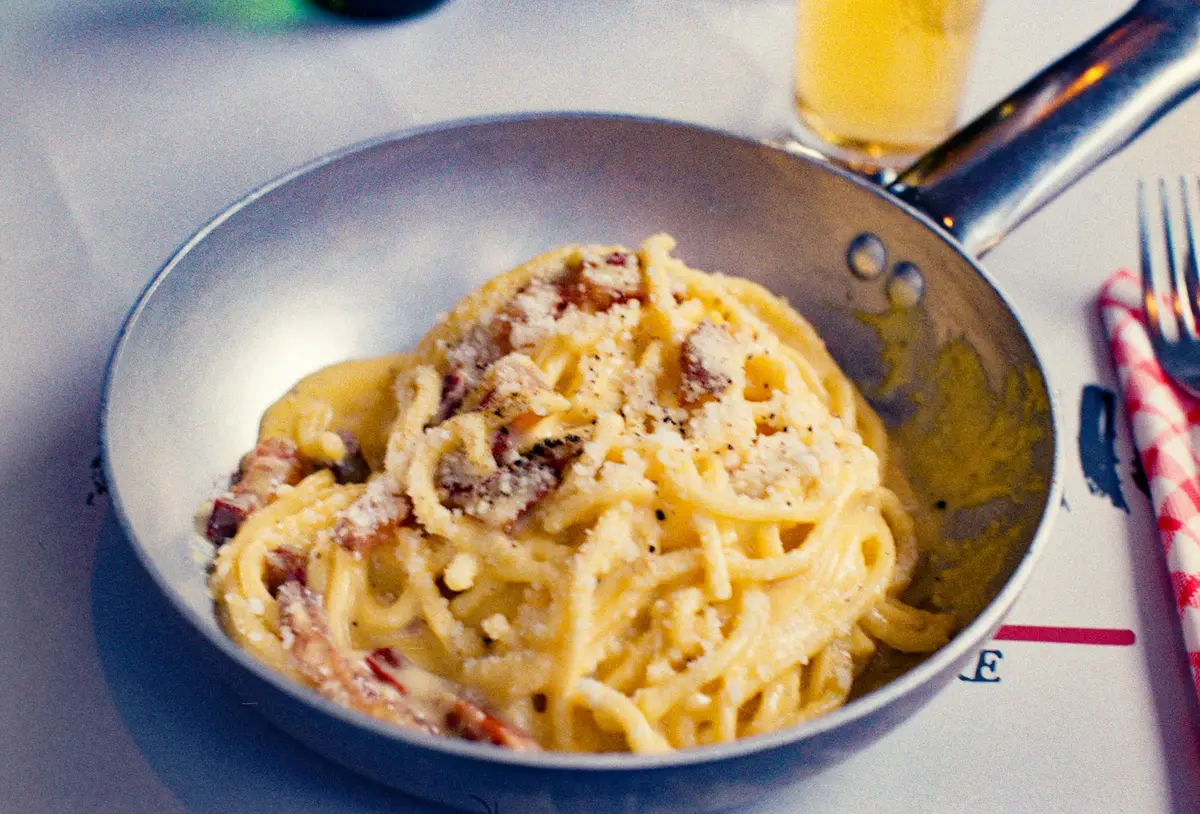
Rome is more rewarding when you travel for local flavors rather than rush between restaurants. The cuisine is bigger than any single signature dish; a good food day includes everyday places and enough walking time to get to know a neighborhood.
What to eat in Rome
Carbonara
Look for carbonara in a setting where locals and visitors both eat. Ask about preparation, ingredients and seasonal variations rather than assuming every version is identical.
Cacio e pepe
A useful second taste is cacio e pepe. Compare a casual setting with a more traditional meal to understand how the dish fits into local routines.
Supplì
Try supplì when it fits naturally into the day. A market stall, café or specialist kitchen may offer a different experience from a formal restaurant.
Pizza al taglio
Make time for pizza al taglio without making it another rushed box to check. Menus and availability can vary by neighborhood and season.
Artichokes
If you have an extra meal, consider artichokes. Check the local preparation and ingredients, especially if you have dietary requirements.
Best areas for a food walk
Testaccio
A practical first neighborhood for a focused food walk in Rome. Choose a few stops rather than trying to visit every famous place.
Trastevere
Worth exploring for a different pace and a chance to eat beyond the most obvious visitor streets.
Campo de' Fiori
A useful alternative when you want a different slice of the city's food culture. Check current market or venue opening information before setting out.
One day of food-first sightseeing
Begin with a neighborhood espresso and a bakery stop, choose pizza al taglio for lunch, then explore Testaccio before a reserved pasta dinner. Leave an hour or two between substantial meals, with space for parks, streets and shops.
Is a guided food experience worthwhile?
A Testaccio street-food walk or Roman pasta cooking class may help introduce unfamiliar ingredients or ordering customs. Before booking, confirm the neighborhood, included food, walking distance, group size, accessibility, allergy policies and cancellation conditions. Our food tours guide makes it easier to compare formats. For any specific experience, confirm availability directly with the operator.
Practical eating tips
Coffee at a bar is a quick ritual. Check the bill for cover or service charges; do not assume US tipping conventions. Venue opening days, seasonal menus and prices are subject to change; confirm important details directly with providers.
A closer look at the Roman table
Four pasta names appear again and again, but they should not be treated as interchangeable. Cacio e pepe depends on Pecorino Romano, pepper and starchy pasta water. Carbonara brings guanciale and egg into the picture. Amatriciana is associated with tomato, guanciale and Pecorino; gricia uses a similar savory base without the tomato. Their small ingredient lists are part of the appeal, and a traditional version does not need a heavy cream sauce.
For something faster, supplì are a sensible stop between sights. They are fried rice snacks, commonly with tomato and a melting center. They are not the same dish as Sicilian arancini. Roman pizza al taglio is often sold in rectangular pieces and can be a useful lunch when you do not want a long sit-down meal. A classic round Roman pizza is another distinct style, often thinner and crisper than its Neapolitan counterpart.
Artichokes deserve their own attention when available. In the Roman-Jewish tradition, carciofi alla giudia are fried, while carciofi alla romana are generally seasoned and braised. Seasonality matters: do not treat a summer artichoke menu as a guarantee of the same dish in winter.
Testaccio or Trastevere: choosing the right afternoon
If food history interests you, Testaccio is an excellent starting point. Its identity is connected to the former slaughterhouse district and the city's tradition of economical, ingredient-led cooking. You can look for traditional pasta and offal-based dishes without feeling obliged to order everything. The neighborhood is also more manageable as a dedicated afternoon than trying to combine every central Rome landmark with a full food crawl.
Trastevere is useful for a different type of evening: a walk through lanes and small piazzas followed by dinner. It is popular with visitors, so favor a restaurant that matches your desired menu and timing instead of assuming a long queue guarantees quality. Near Campo de' Fiori, market and street conditions vary by day; treat the area as one part of a central stroll, not a reason to schedule the whole trip around a single stall.
What to order on a first trip
For lunch, pick either supplì followed by pizza al taglio or a modest pasta meal; you do not need both. For dinner, choose one of the traditional Roman pastas and perhaps a vegetable side. For dessert, visit a gelateria when it fits your walk. A single good meal is more satisfying than racing between four distant recommendations.
If you have dietary restrictions, note that guanciale is pork, Pecorino is made from sheep's milk, and a restaurant may use eggs or gluten in more dishes than a brief English menu indicates. Ask staff about preparation instead of using a dish name as a guarantee.
For background on the Italian food traditions and tourism information, consult Turismo Roma before the trip.
Is Rome a good first food destination for Americans?
Yes, particularly if you want a manageable city itinerary centered on recognizable dishes, walkable neighborhoods and a range of casual and formal meals. The main risk is overplanning: seeing every famous landmark and eating at every famous address cannot all fit into one weekend. Choose one food-focused neighborhood afternoon and one special meal, then let the rest happen around the sights.
Keep exploring
Compare other cities in our worldwide food destination guide. For flight arrival days, accommodation neighborhoods and meal timing, use the food-first trip planner.
Keep planning
Build the rest of your Bite Seeing trip
Use the core planning guides to connect where you stay, what you do and the day trips that are worth the travel time.