Bite Seeing travel guide
Paris Food Guide: What to Eat and Where to Explore
Explore Paris food culture, croissants, baguette tradition, French cheese, local neighborhoods and food experiences.
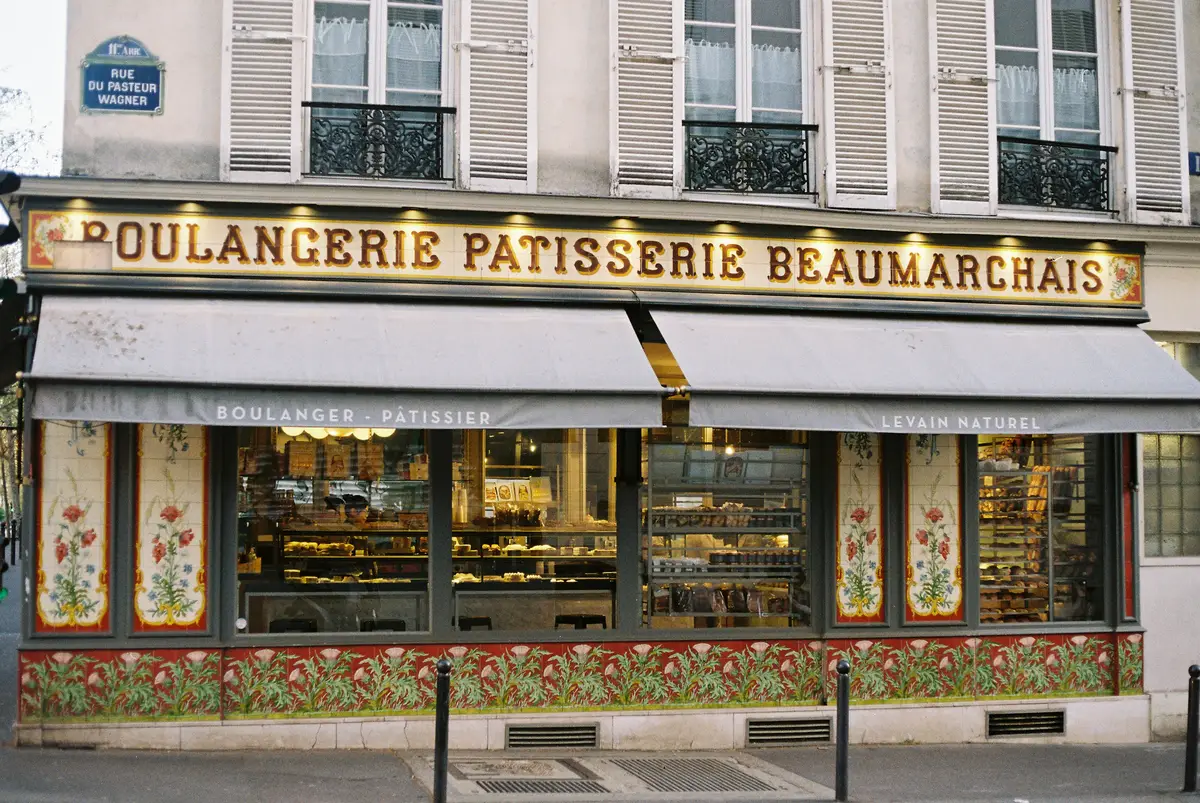
Paris is more rewarding when you travel for local flavors rather than rush between restaurants. The cuisine is bigger than any single signature dish; a good food day includes everyday places and enough walking time to get to know a neighborhood.
What to eat in Paris
Croissants
Look for croissants in a setting where locals and visitors both eat. Ask about preparation, ingredients and seasonal variations rather than assuming every version is identical.
Baguette tradition
A useful second taste is baguette tradition. Compare a casual setting with a more traditional meal to understand how the dish fits into local routines.
French cheese
Try French cheese when it fits naturally into the day. A market stall, café or specialist kitchen may offer a different experience from a formal restaurant.
Steak frites
Make time for steak frites without making it another rushed box to check. Menus and availability can vary by neighborhood and season.
Pâtisserie
If you have an extra meal, consider pâtisserie. Check the local preparation and ingredients, especially if you have dietary requirements.
Best areas for a food walk
Rue Montorgueil
A practical first neighborhood for a focused food walk in Paris. Choose a few stops rather than trying to visit every famous place.
Le Marais
Worth exploring for a different pace and a chance to eat beyond the most obvious visitor streets.
Saint-Germain-des-Prés
A useful alternative when you want a different slice of the city's food culture. Check current market or venue opening information before setting out.
One day of food-first sightseeing
Start with a local boulangerie, explore a market street and choose a modest picnic lunch before an unhurried neighborhood bistro dinner. Leave an hour or two between substantial meals, with space for parks, streets and shops.
Is a guided food experience worthwhile?
A Bakeries-and-cheese tasting walk or pastry class may help introduce unfamiliar ingredients or ordering customs. Before booking, confirm the neighborhood, included food, walking distance, group size, accessibility, allergy policies and cancellation conditions. Our food tours guide makes it easier to compare formats. For any specific experience, confirm availability directly with the operator.
Practical eating tips
Say bonjour on entering small shops. Restaurant prices normally include service; check the bill. Venue opening days, seasonal menus and prices are subject to change; confirm important details directly with providers.
How to build a proper bakery morning
A Paris bakery morning starts with a distinction: a boulangerie is where you would generally look for bread and viennoiserie, while a pâtisserie specializes in pastry and desserts. Many establishments offer both, but you need not seek out one shop for every purchase. Try a fresh croissant or pain au chocolat early, then return for a baguette to accompany a later meal. The quality of an ordinary neighborhood bakery can make more of a difference than its social-media reputation.
For a casual lunch, buy bread, cheese, fruit and perhaps a simple prepared item. Check whether picnicking is appropriate where you plan to sit, and be mindful of public spaces. Fromageries can help you choose just two or three cheeses. Tell the seller what you like: milder, richer, goat's milk or a stronger aged style. Buying too much just creates a difficult-to-store surplus.
Eating along Rue Montorgueil and Le Marais
Rue Montorgueil is a compact food-oriented street in central Paris that makes a practical first walking route. It has the advantage of letting a food trip feel like everyday shopping rather than a long journey between scattered destinations. Browse rather than assuming every shop is a must-visit. A short route in Le Marais can combine cafés, bakeries, independent shops and a longer stroll through historic streets.
Saint-Germain-des-Prés offers a different atmosphere: recognizable cafés, refined shops and a central base for sightseeing. It can be expensive, but you do not need a grand restaurant reservation to enjoy it. Choose a comfortable spot and consider whether you are paying partly for location and atmosphere.
Understanding a French bistro meal
A bistro is not a fixed menu. You might see roast chicken, seasonal vegetables, steak frites or a daily special. Look at the formule or fixed-price lunch option if available, and ask what it includes. Lunch may be the easier time to fit a traditional restaurant meal into an active sightseeing day. Dinner is a good choice if you want to linger, but not every evening needs a full three-course production.
Crepes and buckwheat galettes are different preparations, and Paris has plenty of shops serving both. A sweet crêpe is an easy afternoon option; a savory galette can be a full meal. If cheese or eggs are an issue, check the fillings rather than guessing from the word galette.
Ordering and dining etiquette
Begin a shop interaction with bonjour or bonsoir. In restaurants, service is normally included, and modest additional change is voluntary rather than an American-style mandatory percentage. Ask for une carafe d'eau if you want tap water. Food allergies should be explained clearly and confirmed with staff.
You can consult Paris je t'aime, the official Paris tourism office for current neighborhood and visitor information.
Is a Paris food tour worth it?
It can be if you want the context behind French bread, cheese and pastries, or would otherwise feel uncertain navigating specialty shops. For independent travelers, however, an unguided morning along a food street followed by a bistro lunch can be equally rewarding. Spend on a class when learning the craft matters more than simply tasting the results.
Keep exploring
Compare other cities in our worldwide food destination guide. For flight arrival days, accommodation neighborhoods and meal timing, use the food-first trip planner.
Keep planning
Build the rest of your Bite Seeing trip
Use the core planning guides to connect where you stay, what you do and the day trips that are worth the travel time.