Bite Seeing travel guide
New Orleans Food Guide: What to Eat and Where to Explore
Explore New Orleans food culture, gumbo, po'boys, red beans and rice, local neighborhoods and food experiences.
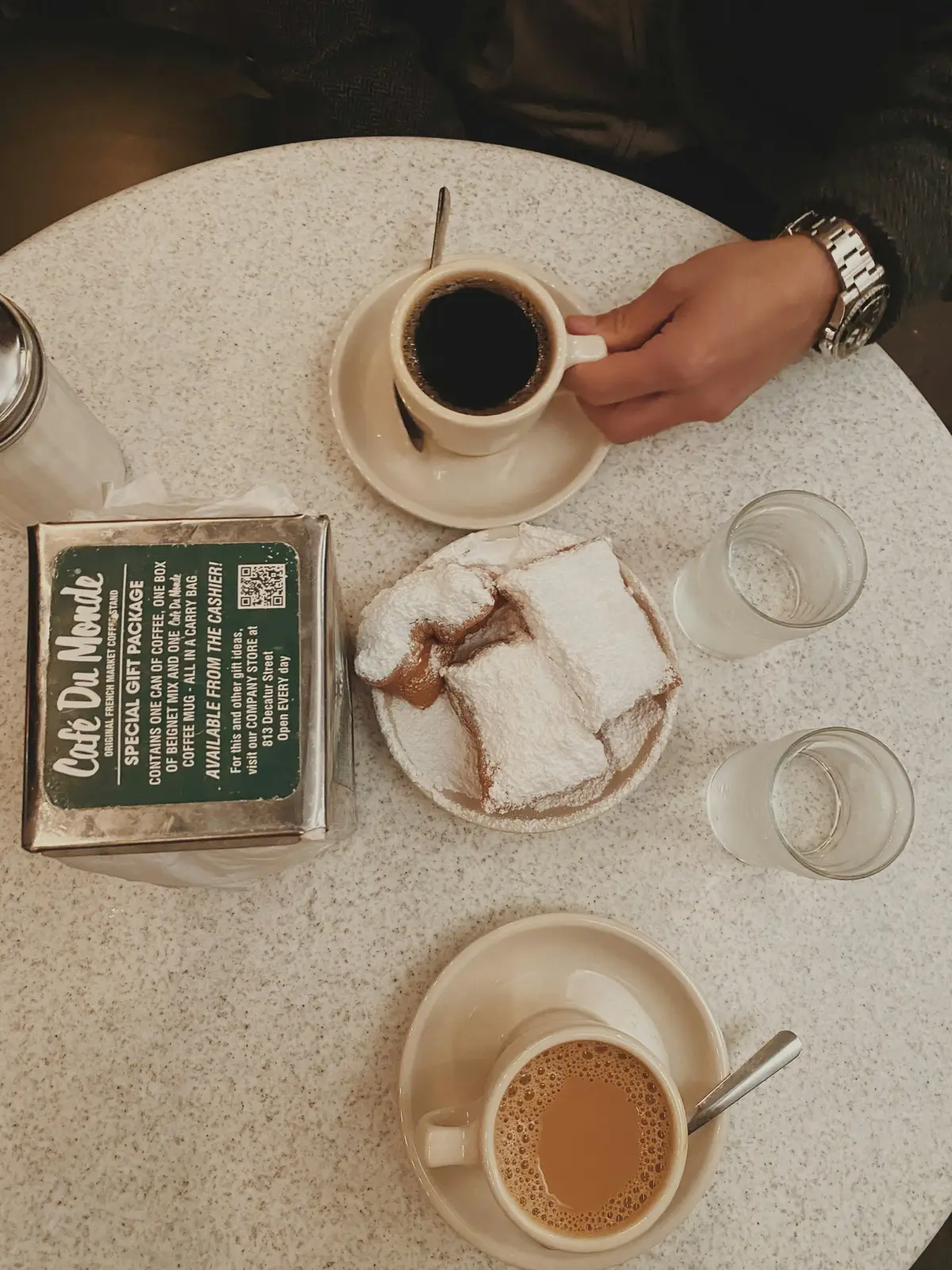
New Orleans is more rewarding when you travel for local flavors rather than rush between restaurants. The cuisine is bigger than any single signature dish; a good food day includes everyday places and enough walking time to get to know a neighborhood.
What to eat in New Orleans
Gumbo
Look for gumbo in a setting where locals and visitors both eat. Ask about preparation, ingredients and seasonal variations rather than assuming every version is identical.
Po'boys
A useful second taste is po'boys. Compare a casual setting with a more traditional meal to understand how the dish fits into local routines.
Red beans and rice
Try red beans and rice when it fits naturally into the day. A market stall, café or specialist kitchen may offer a different experience from a formal restaurant.
Beignets
Make time for beignets without making it another rushed box to check. Menus and availability can vary by neighborhood and season.
Jambalaya
If you have an extra meal, consider jambalaya. Check the local preparation and ingredients, especially if you have dietary requirements.
Best areas for a food walk
French Quarter
A practical first neighborhood for a focused food walk in New Orleans. Choose a few stops rather than trying to visit every famous place.
Marigny and Bywater
Worth exploring for a different pace and a chance to eat beyond the most obvious visitor streets.
Uptown
A useful alternative when you want a different slice of the city's food culture. Check current market or venue opening information before setting out.
One day of food-first sightseeing
Start with coffee and beignets, explore the French Quarter, have gumbo or a po'boy for lunch and travel to a different neighborhood for dinner. Leave an hour or two between substantial meals, with space for parks, streets and shops.
Is a guided food experience worthwhile?
A History-aware Creole cooking introduction or neighborhood food walk may help introduce unfamiliar ingredients or ordering customs. Before booking, confirm the neighborhood, included food, walking distance, group size, accessibility, allergy policies and cancellation conditions. Our food tours guide makes it easier to compare formats. For any specific experience, confirm availability directly with the operator.
Practical eating tips
Creole and Cajun are related but distinct traditions. US tipping norms generally apply to table service. Venue opening days, seasonal menus and prices are subject to change; confirm important details directly with providers.
Understanding New Orleans food traditions
New Orleans is often described through Creole and Cajun cooking. The terms overlap in history and ingredients but are not interchangeable. Creole food in New Orleans reflects several urban cultural influences, while Cajun traditions have deep roots in rural southern Louisiana. Restaurant menus may borrow from both, and individual dishes have many family and regional versions. Instead of looking for a single authoritative gumbo, ask what makes a particular kitchen's version its own.
Gumbo may feature seafood, chicken, sausage, okra, filé or a combination, depending on the recipe. It can be built around a roux and is commonly served with rice. Jambalaya is a rice dish in which the grains are cooked with seasonings and other ingredients. They are not the same preparation.
Red beans and rice are a city tradition with a long association with Mondays. It is both a practical comfort food and an expression of household cooking. A po'boy is more than any sandwich on French bread; the local bread style, filling and dressing matter. Fried shrimp and roast beef versions offer very different experiences.
Breakfast and sweets
New Orleans beignets are fried pieces of dough often showered with powdered sugar. They are frequently paired with coffee, including café au lait. This can be a full morning stop, not just a small snack before another breakfast. Expect powdered sugar to travel beyond the plate.
For seafood, consider oysters only if the setting and preparation are suitable for your preferences and health circumstances. Raw shellfish carries particular health risks for some people. A cooked oyster dish offers a different option.
Making a weekend fit the city
A first day can focus on the French Quarter, but avoid judging the whole food scene by the busiest tourist streets. The Marigny and Bywater provide a different setting for cafés and restaurants, while Uptown can be a good choice when you have time for a longer journey and a slower meal.
If you have just one full weekend, commit to one substantial meal each day and allow smaller stops to happen around the route. Lunch might be a po'boy, while dinner explores a restaurant's gumbo, fish or rice specialties. A cooking demonstration may add cultural context that a conventional restaurant meal cannot.
Festivals, timing and getting around
New Orleans gets busy around major festivals and holidays. Hotel prices, dining availability and travel conditions can change sharply; book high-priority dining well ahead when your dates coincide with big events. Walking is practical in the central areas, but Louisiana heat and humidity can make a midday food crawl tiring.
Use New Orleans & Company for destination background and current visitor information. Check specific business hours directly.
What is the difference between Creole and Cajun food?
The distinction involves history, geography and cultural traditions rather than one spice blend. Creole cooking is strongly associated with New Orleans' diverse urban heritage; Cajun cooking has roots in Acadian communities and southern Louisiana's rural foodways. Both are living cuisines, and individual chefs may draw on both.
Keep exploring
Compare other cities in our worldwide food destination guide. For flight arrival days, accommodation neighborhoods and meal timing, use the food-first trip planner.
Keep planning
Build the rest of your Bite Seeing trip
Use the core planning guides to connect where you stay, what you do and the day trips that are worth the travel time.