Bite Seeing travel guide
Naples Food Guide: What to Eat and Where to Explore
Explore Naples food culture, pizza margherita, pizza marinara, pizza fritta, local neighborhoods and food experiences.
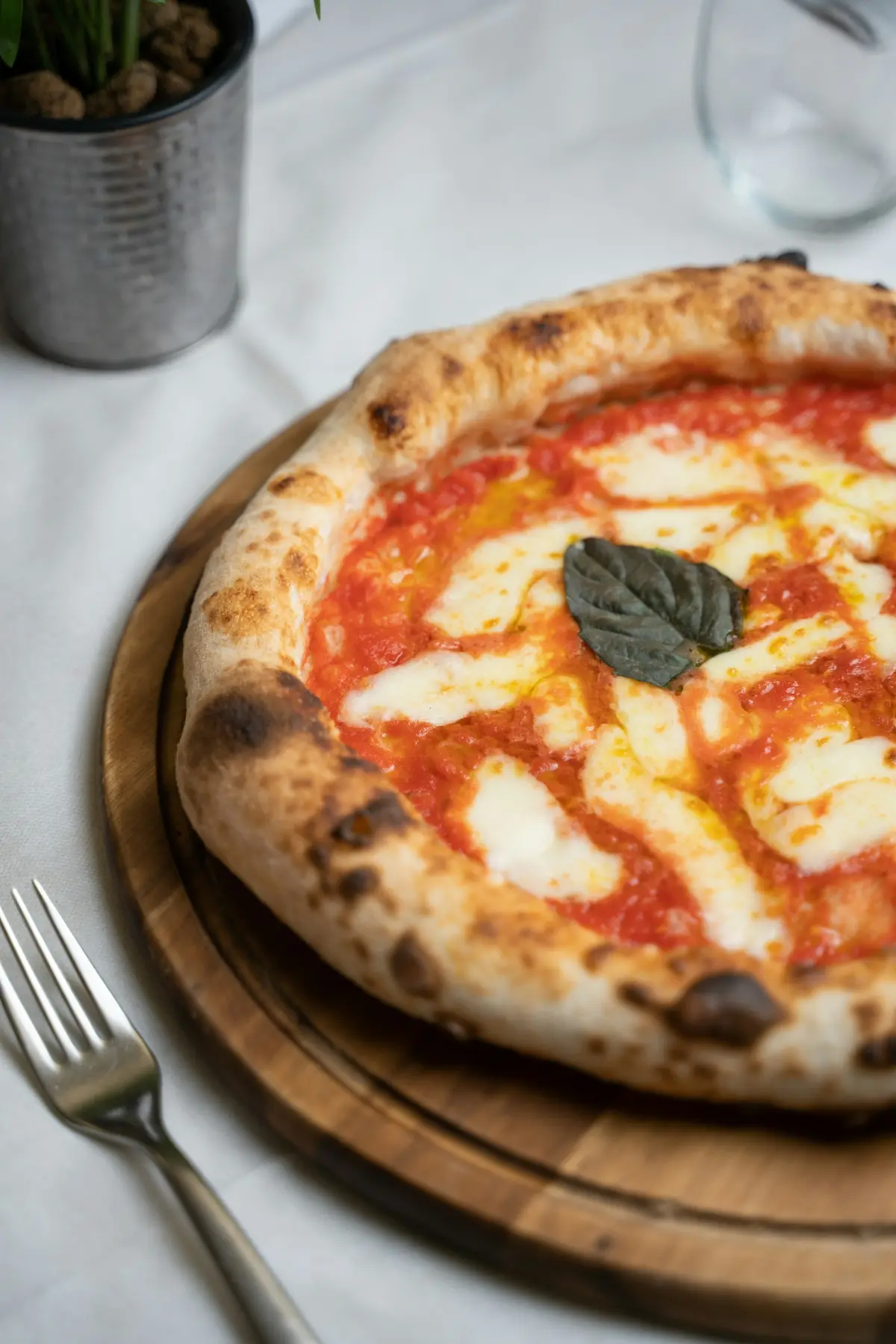
Naples is more rewarding when you travel for local flavors rather than rush between restaurants. The cuisine is bigger than any single signature dish; a good food day includes everyday places and enough walking time to get to know a neighborhood.
What to eat in Naples
Pizza margherita
Look for pizza margherita in a setting where locals and visitors both eat. Ask about preparation, ingredients and seasonal variations rather than assuming every version is identical.
Pizza marinara
A useful second taste is pizza marinara. Compare a casual setting with a more traditional meal to understand how the dish fits into local routines.
Pizza fritta
Try pizza fritta when it fits naturally into the day. A market stall, café or specialist kitchen may offer a different experience from a formal restaurant.
Cuoppo
Make time for cuoppo without making it another rushed box to check. Menus and availability can vary by neighborhood and season.
Sfogliatella
If you have an extra meal, consider sfogliatella. Check the local preparation and ingredients, especially if you have dietary requirements.
Best areas for a food walk
Centro Storico
A practical first neighborhood for a focused food walk in Naples. Choose a few stops rather than trying to visit every famous place.
Via dei Tribunali
Worth exploring for a different pace and a chance to eat beyond the most obvious visitor streets.
Pignasecca
A useful alternative when you want a different slice of the city's food culture. Check current market or venue opening information before setting out.
One day of food-first sightseeing
Begin with a pastry and espresso, wander the historic streets, enjoy a pizza lunch and leave room for fried snacks or a traditional pasta dinner. Leave an hour or two between substantial meals, with space for parks, streets and shops.
Is a guided food experience worthwhile?
A Historic-center street-food walk or Neapolitan pizza class may help introduce unfamiliar ingredients or ordering customs. Before booking, confirm the neighborhood, included food, walking distance, group size, accessibility, allergy policies and cancellation conditions. Our food tours guide makes it easier to compare formats. For any specific experience, confirm availability directly with the operator.
Practical eating tips
Queue lengths are not a measure of quality. Choose a pizzeria that fits your neighborhood and timing. Venue opening days, seasonal menus and prices are subject to change; confirm important details directly with providers.
Pizza is only the opening chapter
The classic Margherita combines tomato, mozzarella, basil and olive oil, while Marinara generally uses tomato, garlic, oregano and oil. The latter does not require seafood despite its name. Neapolitan pizza is known for its soft center and airy crust, but individual pizzerias have distinct doughs, ovens and service styles. A famous location is not automatically the right choice if you have another timed activity across the city.
Pizza fritta offers a more substantial fried alternative. A street-food cone or cuoppo may contain fried vegetables, seafood or other snacks, depending on the shop. You can fit one of these into a neighborhood walk, but trying all the fried foods in a single afternoon can make the rest of your day difficult to enjoy.
Frittatina di pasta, a fried pasta snack, is another useful way to understand the city's casual food culture. For a sit-down meal, consider pasta e patate, a comforting pasta-and-potatoes dish, or pasta alla genovese, whose slow-cooked onion and meat sauce is associated with Naples despite the name suggesting Genoa.
Pastries and the Naples coffee rhythm
A sfogliatella riccia has many crisp layers surrounding a sweet filling, whereas a sfogliatella frolla uses a shortcrust-style pastry. Compare these if you enjoy baking traditions. Babà, a yeast cake soaked in rum syrup, is a very different treat. Confirm ingredients or alcohol content when necessary.
Espresso often fits naturally into a brief bar stop. Rather than planning five famous pastry shops, choose one in the area you are walking through and enjoy it there.
Food neighborhoods without rushing
Centro Storico is the easiest introduction to Naples' dense food streets. You can explore the old lanes, churches and small shops on foot and make pizza a natural lunch stop. Via dei Tribunali is useful for orienting yourself through the historic center, but it may be crowded. Around Pignasecca, market browsing and everyday food shopping add a different perspective.
Do not turn these into a nonstop tasting itinerary. An afternoon museum or cultural stop makes a pleasant gap between pizza and dinner.
Food tours and making pizza
A history-focused street-food walk can explain why so many simple, portable foods became central to Naples' identity. A pizza-making class is a different experience: it is most useful if you want to handle dough and learn about fermentation, stretching and oven technique. Read the class description carefully—some demonstrations allow very little hands-on participation.
For a first trip, reserve a cooking class only if it is a priority. Casual pizza meals do not always require advance arrangements, though particular restaurants may have queues or booking systems.
Useful practical advice
Naples' historic streets can be busy with scooters and pedestrians. Choose comfortable shoes and avoid committing to a tight schedule. Menus and markets change with season and opening day. Check current information with the official Naples tourism portal.
Do you have to queue at a famous pizzeria?
No. The most celebrated names may be interesting, but a long queue can consume the time you had planned for exploring the city. Pick a reliable-looking pizzeria with the style and location that suit your day, then leave room for pasta, street food and pastries.
Keep exploring
Compare other cities in our worldwide food destination guide. For flight arrival days, accommodation neighborhoods and meal timing, use the food-first trip planner.
Keep planning
Build the rest of your Bite Seeing trip
Use the core planning guides to connect where you stay, what you do and the day trips that are worth the travel time.