Bite Seeing travel guide
Mexico City Food Guide: What to Eat and Where to Explore
Explore Mexico City food culture, tacos al pastor, tacos de guisado, tamales, local neighborhoods and food experiences.
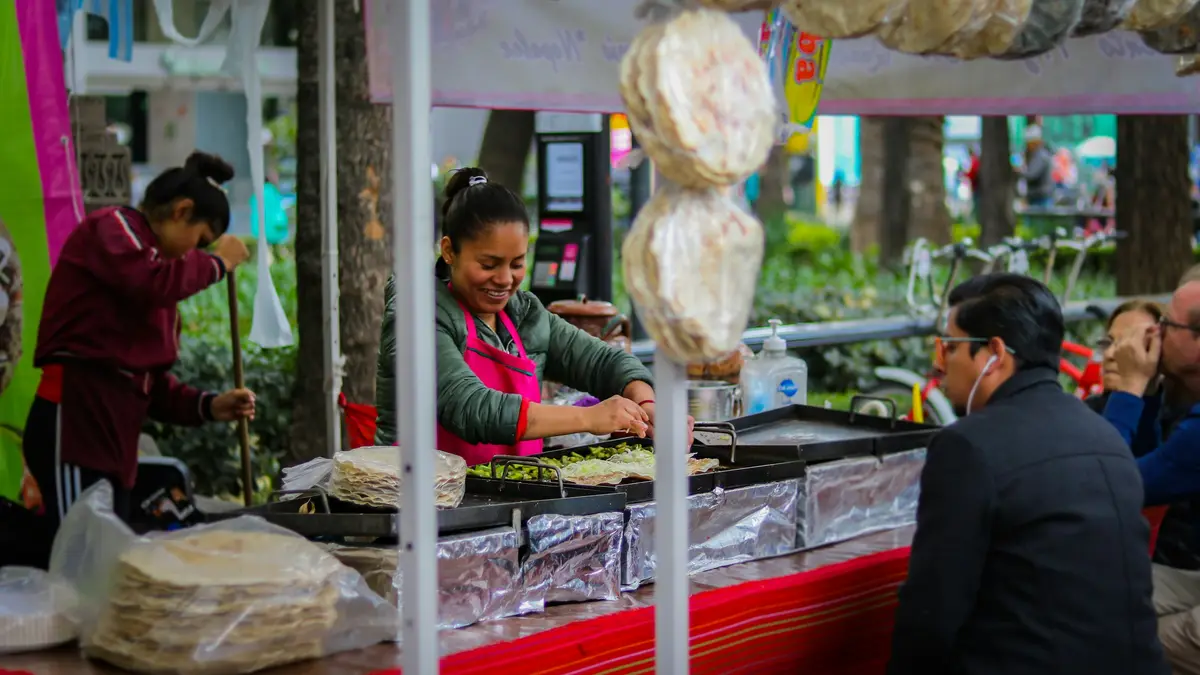
Mexico City is more rewarding when you travel for local flavors rather than rush between restaurants. The cuisine is bigger than any single signature dish; a good food day includes everyday places and enough walking time to get to know a neighborhood.
What to eat in Mexico City
Tacos al pastor
Look for tacos al pastor in a setting where locals and visitors both eat. Ask about preparation, ingredients and seasonal variations rather than assuming every version is identical.
Tacos de guisado
A useful second taste is tacos de guisado. Compare a casual setting with a more traditional meal to understand how the dish fits into local routines.
Tamales
Try tamales when it fits naturally into the day. A market stall, café or specialist kitchen may offer a different experience from a formal restaurant.
Tlacoyos
Make time for tlacoyos without making it another rushed box to check. Menus and availability can vary by neighborhood and season.
Pozole
If you have an extra meal, consider pozole. Check the local preparation and ingredients, especially if you have dietary requirements.
Best areas for a food walk
Roma Norte and Condesa
A practical first neighborhood for a focused food walk in Mexico City. Choose a few stops rather than trying to visit every famous place.
Centro Histórico
Worth exploring for a different pace and a chance to eat beyond the most obvious visitor streets.
Coyoacán
A useful alternative when you want a different slice of the city's food culture. Check current market or venue opening information before setting out.
One day of food-first sightseeing
Start in one neighborhood with breakfast and a market, sample a couple of masa-based dishes and finish at a restaurant exploring a regional Mexican cooking tradition. Leave an hour or two between substantial meals, with space for parks, streets and shops.
Is a guided food experience worthwhile?
A Small-group market and tacos walk with food-history explanation may help introduce unfamiliar ingredients or ordering customs. Before booking, confirm the neighborhood, included food, walking distance, group size, accessibility, allergy policies and cancellation conditions. Our food tours guide makes it easier to compare formats. For any specific experience, confirm availability directly with the operator.
Practical eating tips
Confirm food handling and ingredients carefully, especially for allergies; the metropolis is too large for a single walking route. Venue opening days, seasonal menus and prices are subject to change; confirm important details directly with providers.
Start by understanding masa
Corn is at the heart of many Mexico City food experiences. Nixtamalization—the traditional alkaline treatment of maize—changes how corn is prepared and gives many masa-based foods their characteristic texture and flavor. Tacos, tlacoyos, tamales and other dishes share an ingredient lineage without being versions of the same meal.
Tacos al pastor typically involve marinated pork cooked on a vertical spit, often with onion and cilantro and sometimes pineapple. Tacos de guisado showcase stewed fillings in tortillas. They can make a more filling, everyday lunch than a sampler of tiny tacos. Tlacoyos are thicker masa shapes that may be filled with beans or other ingredients and topped with vegetables, cheese or salsa.
Tamales are wrapped and steamed masa preparations with many savory and sweet versions. They are particularly useful to understand at breakfast, where you may see stalls serving them alongside hot drinks. Pozole is a hominy-based soup or stew with strong regional traditions; do not assume the same version will be served everywhere.
Three distinct areas for eating
Centro Histórico is useful when you want markets, historic streets and a broader range of everyday city life. It suits a morning of walking punctuated by street-food stops. Roma Norte and Condesa offer many cafés and contemporary dining options, plus an easy base for travelers who are still getting oriented. They are appealing but do not stand in for the food culture of the entire city.
Coyoacán can support a slower afternoon with snacks and neighborhood exploration. The distances between these areas are larger than they may appear on a tourist map; allow for traffic and the journey itself.
How to plan a taco day
Choose a few different styles rather than buying ten examples of the same one. You might start with a breakfast tamal, choose a midday taco de guisado and reserve a later al pastor stop for a different preparation. Leave room for a restaurant meal that represents a particular Mexican state or culinary region, since the capital brings together traditions from across the country.
Markets are active places where people work and shop. Make purchases courteously, ask before photographing vendors and keep valuables secure in busy crowds. A guided food walk can make ordering and ingredient identification easier, but should not replace independent exploration entirely.
Food safety and allergies
Food handling varies by vendor rather than by broad category. Look for food that is actively prepared and served hygienically, exercise caution with water and raw produce according to current local travel-health guidance, and tell operators about severe allergies in advance. Sauces may include nuts, seeds, chile or ingredients that are difficult to identify visually.
For current visitor and cultural information, refer to Mexico City tourism.
Is Mexico City a good destination for street-food beginners?
Yes, with thoughtful planning. Start in a neighborhood where you can explore comfortably, select busy vendors with visible food preparation and consider a small specialist tour if you want help identifying ingredients. There is no need to make risky choices to have an authentic experience.
Keep exploring
Compare other cities in our worldwide food destination guide. For flight arrival days, accommodation neighborhoods and meal timing, use the food-first trip planner.
Keep planning
Build the rest of your Bite Seeing trip
Use the core planning guides to connect where you stay, what you do and the day trips that are worth the travel time.