Bite Seeing travel guide
Barcelona Food Guide: What to Eat and Where to Explore
Explore Barcelona food culture, pa amb tomàquet, escalivada, bombas, local neighborhoods and food experiences.
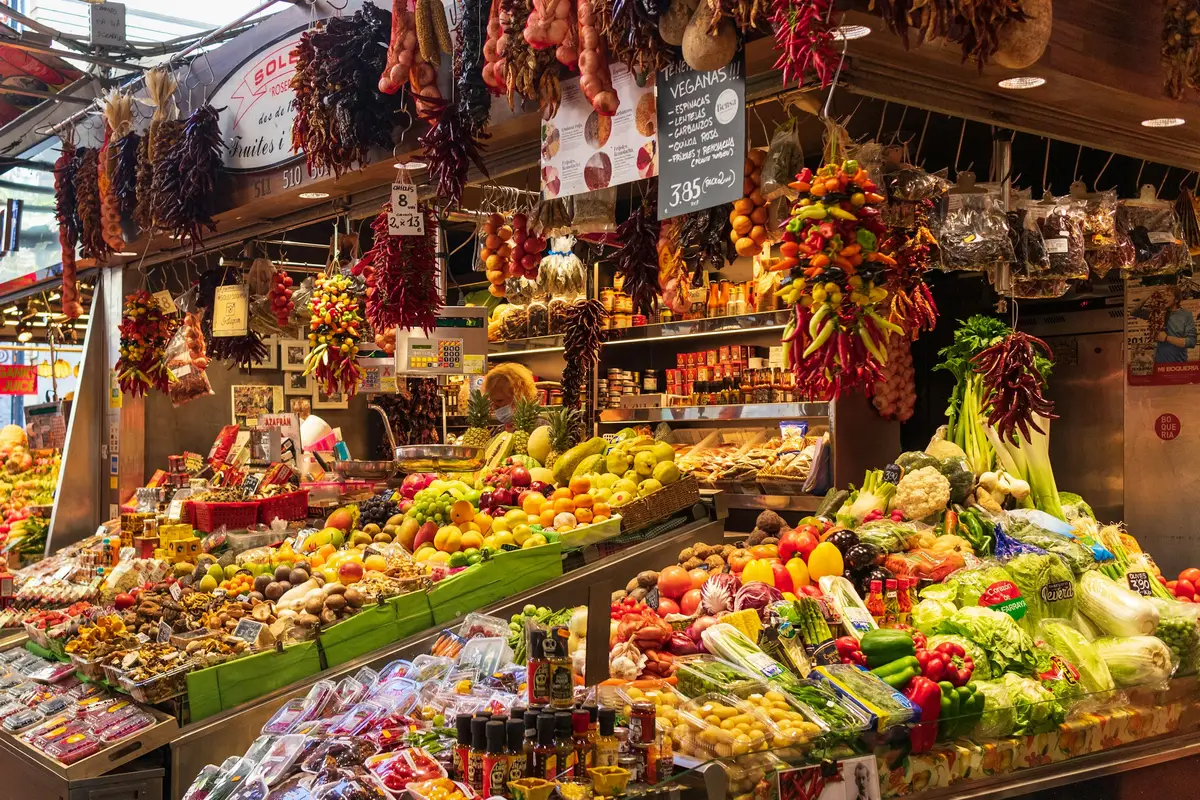
Barcelona is more rewarding when you travel for local flavors rather than rush between restaurants. The cuisine is bigger than any single signature dish; a good food day includes everyday places and enough walking time to get to know a neighborhood.
What to eat in Barcelona
Pa amb tomàquet
Look for pa amb tomàquet in a setting where locals and visitors both eat. Ask about preparation, ingredients and seasonal variations rather than assuming every version is identical.
Escalivada
A useful second taste is escalivada. Compare a casual setting with a more traditional meal to understand how the dish fits into local routines.
Bombas
Try bombas when it fits naturally into the day. A market stall, café or specialist kitchen may offer a different experience from a formal restaurant.
Seafood rice
Make time for seafood rice without making it another rushed box to check. Menus and availability can vary by neighborhood and season.
Crema catalana
If you have an extra meal, consider crema catalana. Check the local preparation and ingredients, especially if you have dietary requirements.
Best areas for a food walk
Sant Antoni
A practical first neighborhood for a focused food walk in Barcelona. Choose a few stops rather than trying to visit every famous place.
Gràcia
Worth exploring for a different pace and a chance to eat beyond the most obvious visitor streets.
El Born
A useful alternative when you want a different slice of the city's food culture. Check current market or venue opening information before setting out.
One day of food-first sightseeing
Begin with breakfast close to your stay, browse a real market, enjoy a Catalan lunch and spend the evening at a few carefully chosen bars. Leave an hour or two between substantial meals, with space for parks, streets and shops.
Is a guided food experience worthwhile?
A Catalan market walk or local cooking class may help introduce unfamiliar ingredients or ordering customs. Before booking, confirm the neighborhood, included food, walking distance, group size, accessibility, allergy policies and cancellation conditions. Our food tours guide makes it easier to compare formats. For any specific experience, confirm availability directly with the operator.
Practical eating tips
Dinner may be later than typical American schedules. Respect market vendors and local shoppers. Venue opening days, seasonal menus and prices are subject to change; confirm important details directly with providers.
Catalan food beyond tapas
Pa amb tomàquet, bread rubbed with ripe tomato and finished with olive oil, is a building block of Catalan dining rather than a complicated recipe. Order it with a few small dishes, cured ingredients or a simple seafood meal. Escalivada combines roasted vegetables such as peppers and eggplant; it is a useful choice when you want something lighter than fried bar food.
Do not confuse Barcelona's food culture with a single generic tapas list. Small plates are common, but so are Catalan stews, seasonal vegetables, rice dishes and fish from the Mediterranean. Rice does not automatically mean Valencian paella: ask about the restaurant's own preparation and ingredients. Crema catalana makes a fitting dessert after a relaxed meal.
Markets can help you understand the ingredients before sitting down to eat them. La Boqueria is famous but can be intensely crowded. If you prefer a more everyday market experience, consider Sant Antoni and treat the stalls as working businesses, not props for food photographs.
Choosing a Barcelona food neighborhood
Sant Antoni can anchor a food morning with market browsing and nearby cafés. It suits travelers who want to begin with practical errands and work their way into lunch. Gràcia offers small squares and a neighborhood feel that works well for an unhurried evening. El Born is easier to combine with central sightseeing and a casual tapas stop, though central locations attract more visitors.
Avoid pairing all three in one short walking itinerary; transit and city distances matter. A better three-stop day uses a single market, one genuine sit-down meal, and a second neighborhood for the evening.
How tapas-style dining actually works
Small dishes can be shared, but establishments differ. Some places focus on bar snacks, others have full tables and a kitchen designed for dinner. Check whether food is ordered at the bar or via table service. For a group, ask about portions and order in stages rather than filling the table immediately.
An afternoon vermut is a traditional aperitif custom. This is optional, and alcohol-free alternatives can make the stop equally pleasant. If you are traveling with children, a casual snack stop may be more convenient than a full late dinner.
Practical food planning
Meal timing is often later than travelers from the United States expect. Some restaurants close between lunch and dinner, and market hours should be checked for your actual day. Gluten, seafood, nuts and dairy are common in many local preparations; communicate dietary requirements directly.
See Turisme de Barcelona for official destination information and current planning resources.
Is the Boqueria market essential?
No. It is famous, central and photogenic, which may make it worth a brief visit, but it can be busy. Travelers who want a calmer, shopping-focused market stop can consider other market halls. The worthwhile part is learning what is sold and how ingredients fit into Catalan meals—not being able to say you visited one specific building.
Keep exploring
Compare other cities in our worldwide food destination guide. For flight arrival days, accommodation neighborhoods and meal timing, use the food-first trip planner.
Keep planning
Build the rest of your Bite Seeing trip
Use the core planning guides to connect where you stay, what you do and the day trips that are worth the travel time.